

From the Journal at House of Morrow
There’s a moment in every session—long before I ever lift the camera—when the story begins to speak.
It’s in the way a mother straightens her son’s collar without thinking.
A child reaching for her father’s hand, even when it’s not being offered.
Then there’s the rhythm between people—the quiet language of familiarity, and the beauty of what’s unspoken.
This is where The Morrow Method begins.
Not with lighting or lenses, but with observation. With presence. With a practiced stillness that allows you to see what’s already there.
I call this first pillar Discovering the Story—but it’s not so much a step as it is a way of being.
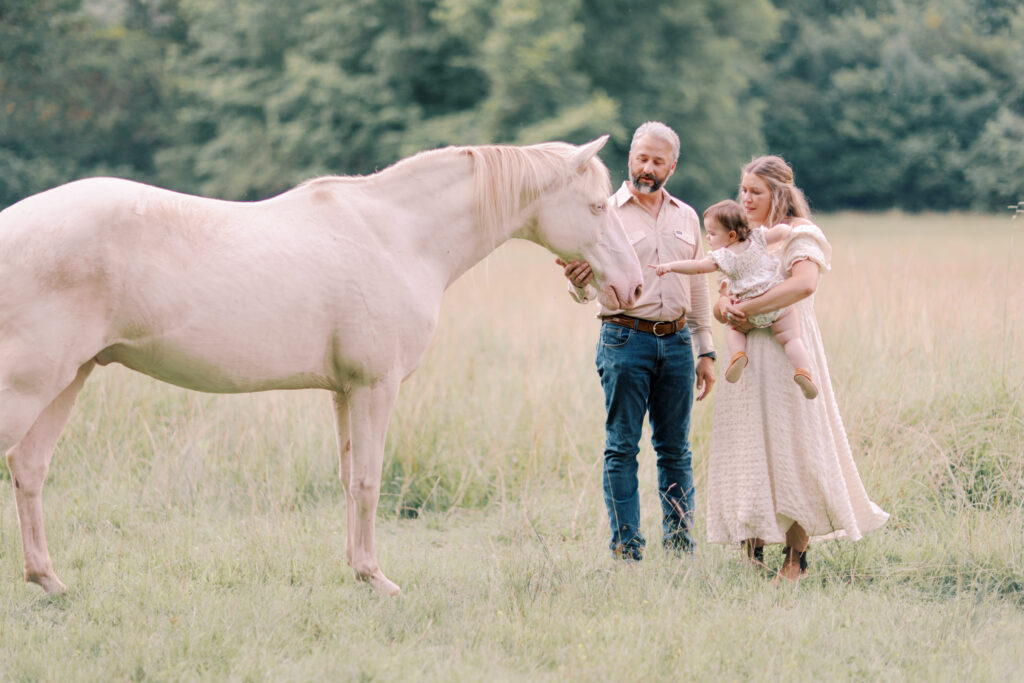
The Story Is Always There
Just beneath the surface, there is always a thread.
Not every family is loud about it. Not every child is expressive. But the story—whether joyful, tender, complicated, or quiet—is always present for those willing to watch without pressing.
Often, it reveals itself in a gesture: a father adjusting his daughter’s hem, or a mother lingering a second too long after a goodbye hug. Sometimes, it’s found in the in-between moments—the part where nothing is happening, and therefore, everything is.
Seeing Requires Stillness
Discovery isn’t about directing; rather, it’s about noticing.

You’ll learn that it is a kind of listening that doesn’t rely on words. You begin to understand the emotional architecture of a family: who leads, who softens, who stays back and watches. You take note of where the affection settles and how energy moves through the space between them.
You aren’t there to perform. Instead, you’re there to pay attention. to pay attention.
And in that attention, the real work begins.
The First Preparation Is Presence
There are things I often review before a session: location, wardrobe, timing. But the most important preparation is always the same—clearing space in myself to be available for what unfolds.
Because once you begin seeing this way, the session changes. You’re not capturing a family. You’re witnessing something unfold. You begin to understand what they may not even know they’re showing you. As a result, the images you make hold that kind of knowing.
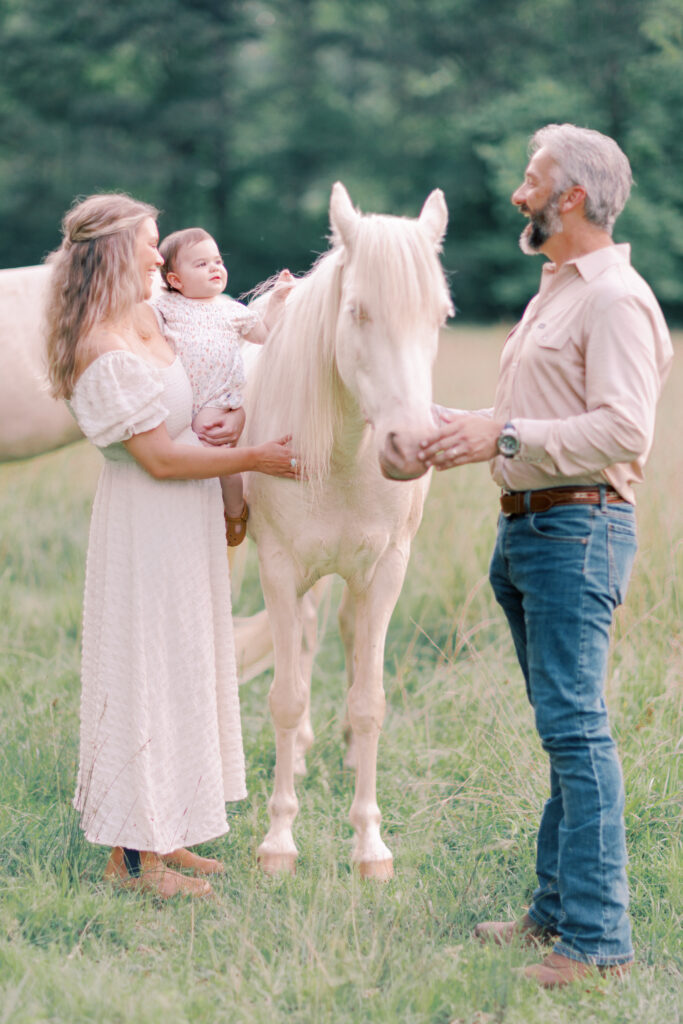
A Closing Thought
Lately, I’ve returned to a small book on my shelf—The Art of Noticing by Rob Walker. It’s a gentle invitation to slow down, look closer, and reawaken your attention to the world. A good companion for this kind of work.
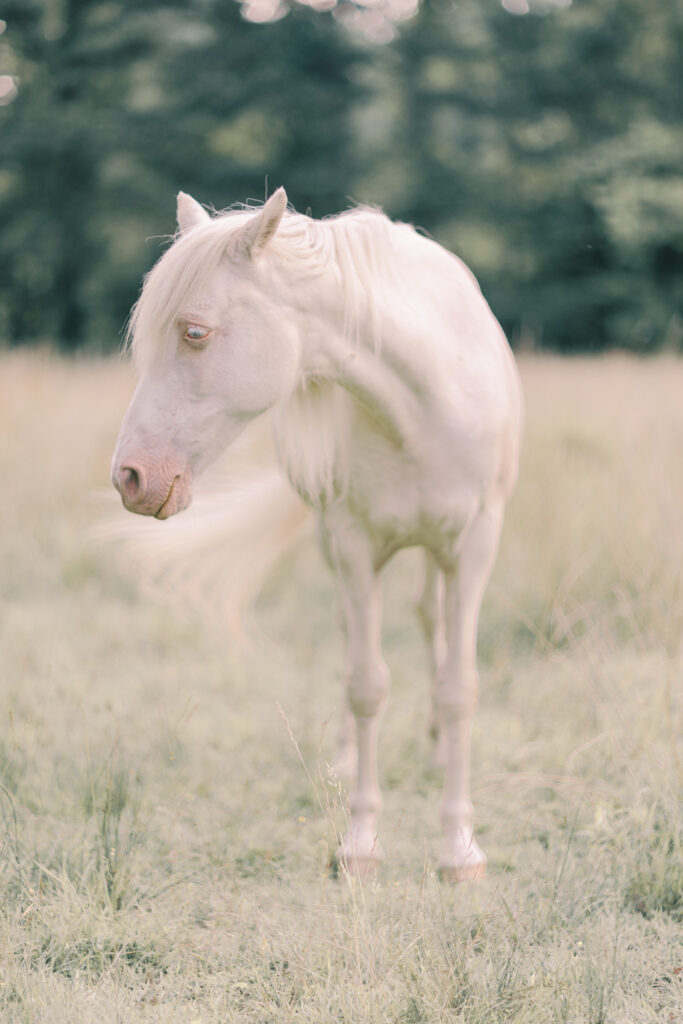
Because this part—the discovery—doesn’t always announce itself.
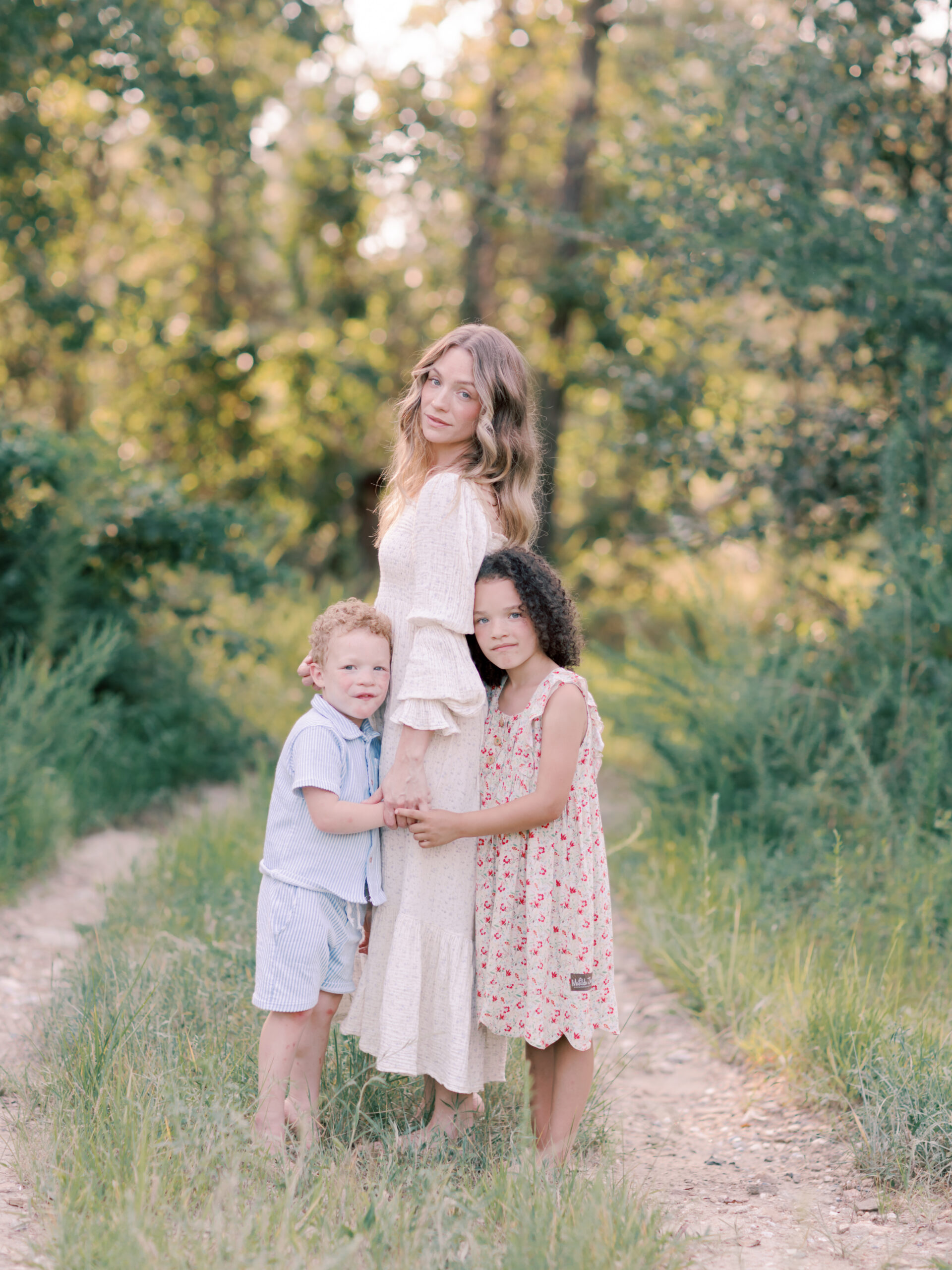
You learn to recognize it in the way light gathers across a collarbone or how a sibling rests their chin on another’s shoulder, unprompted.
And when you notice these things—quietly, without rushing—you begin to understand what this work really is.
A form of reverence.
A form of remembering.
—
Christi Morrow
House of Morrow


+ COMMENTS
add a comment