

Some photographers chase the light. I shape it.
The Morrow Method backlighting technique was born out of a need to go deeper than settings and gear. It is my personal approach to backlighting, to creating those golden, glowing images that feel ethereal but grounded, soft but precise, nostalgic but real. This is not a formula. It is a rhythm. A trust. A method.
Here is how I work with light instead of against it, and how you can begin to do the same with the Morrow Method backlighting process.
Step One: Begin with the Curve
Golden hour is not a time. It is a curve.
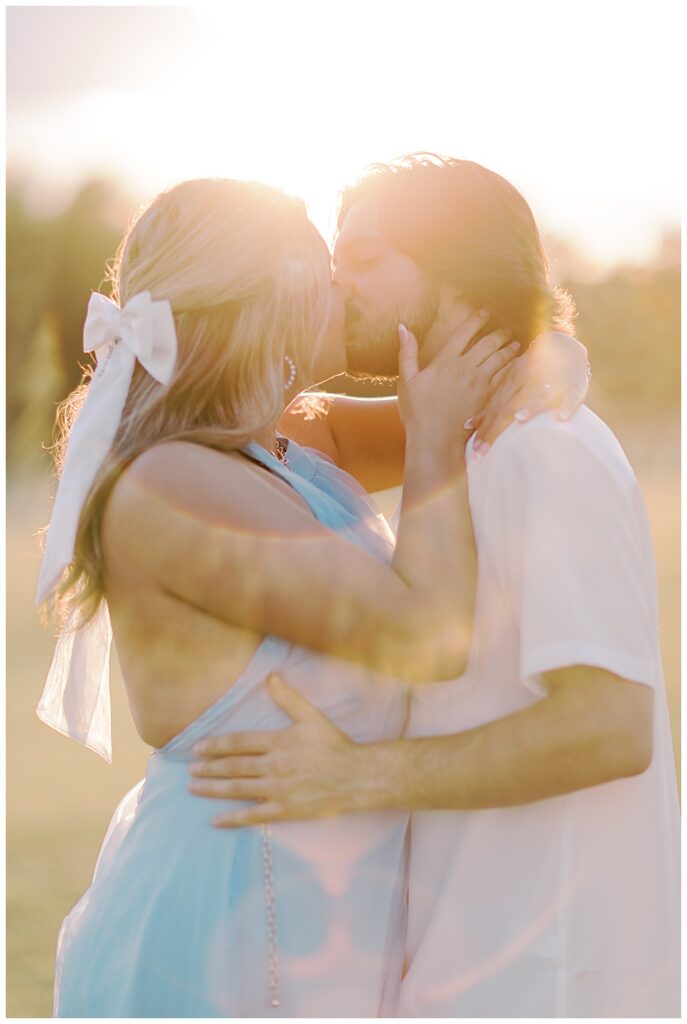
The Morrow Method begins at the point when the sun begins to bend, when the light no longer casts hard shadows but instead starts to wrap. This happens in the final 30 to 40 minutes before sunset. It is not just about a soft glow. It is about direction, depth, and intentional exposure.
This is where most photographers either overshoot or oversimplify. They chase lens flare like an effect. But to me, flare is a language. I use it to whisper, not shout.
Step Two: Positioning with Purpose in Morrow Method Backlighting
Subject. Sun. Photographer. These are your three points of alignment.
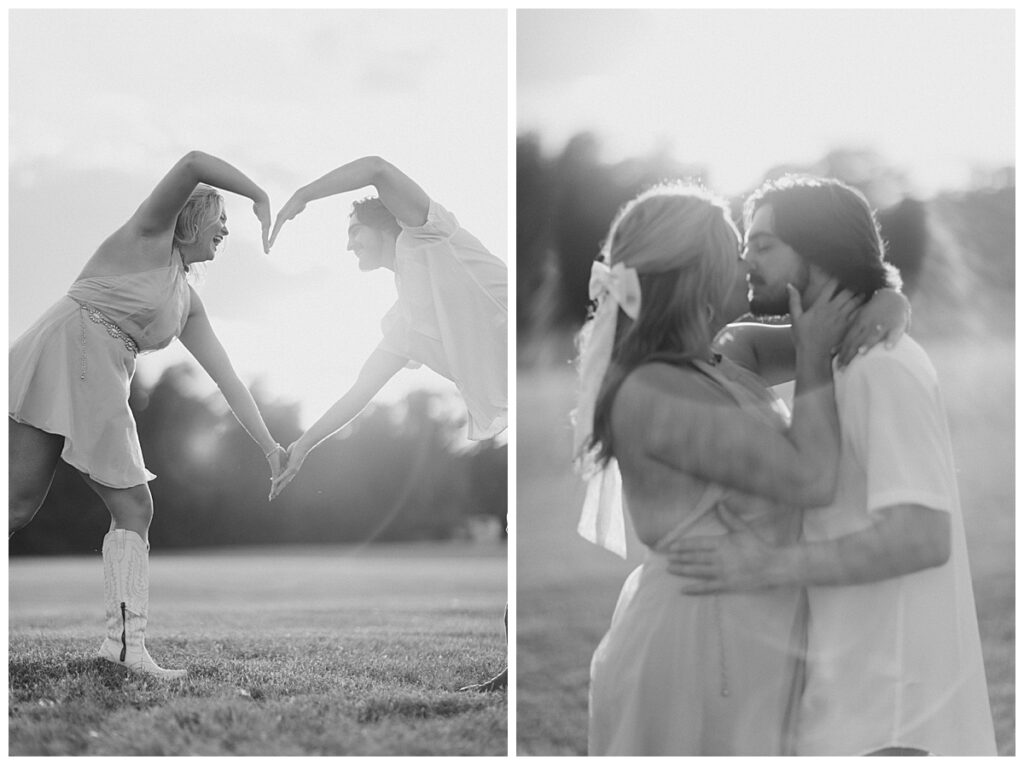
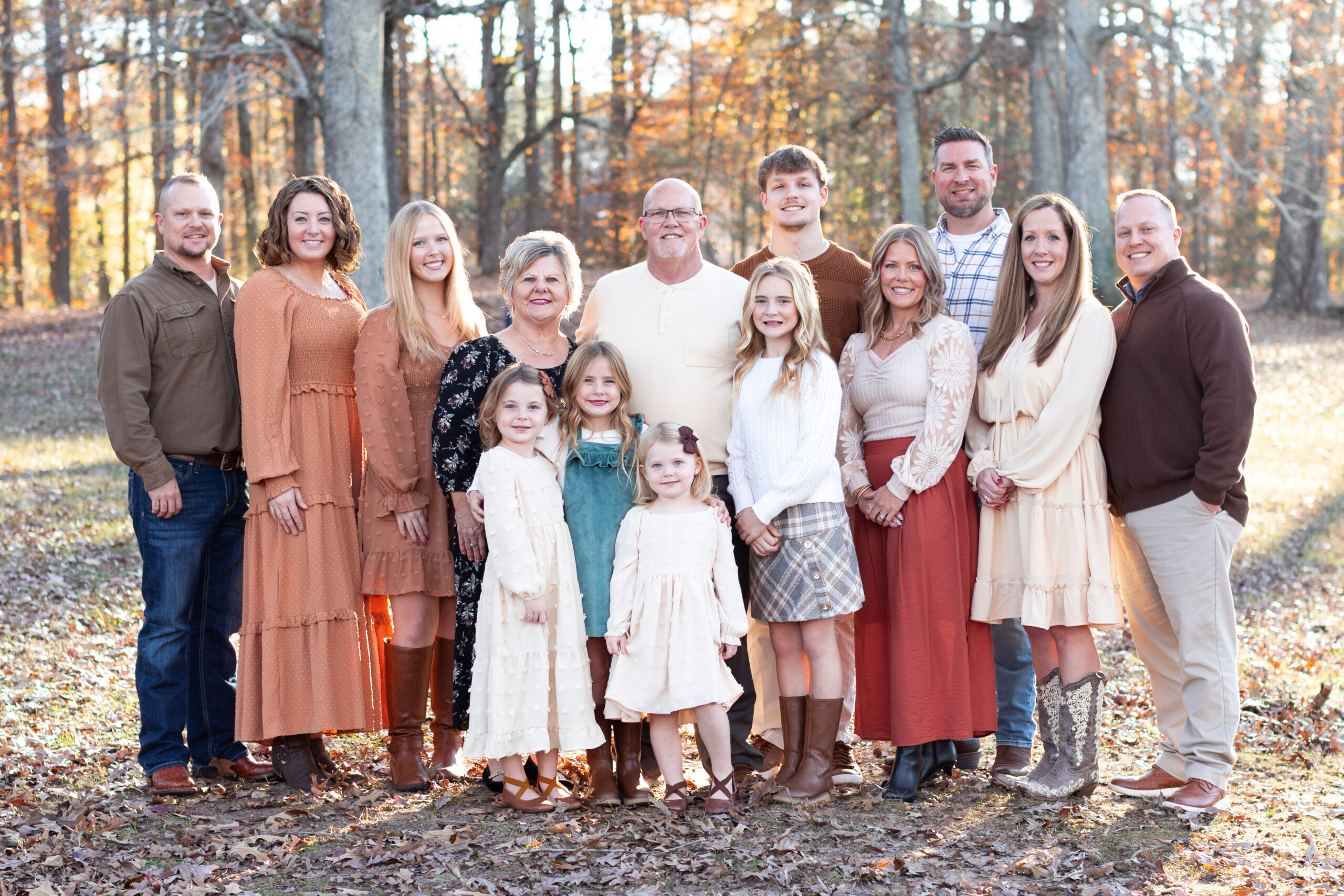
With the Morrow Method, I position my subject between me and the sun, but never directly. The sun should clip the edge of the frame or kiss the subject from behind at a diagonal. This angle creates a natural wrap of light. It is not flat. It is dimensional.
Move. Reframe. Adjust. I often shift side to side in small increments, inches, not feet. That is how you catch the sweet spot, the flare arc, the halo that does not burn.
Step Three: Shoot Wide Open, Shoot Intentionally
For most of my backlit work, I use:
- Canon 5D
- 85mm f/1.2 L-series lens
- Settings: f/1.8 to f/2.2, ISO 100 to 320, Shutter 1/800 to 1/1600 depending on ambient light
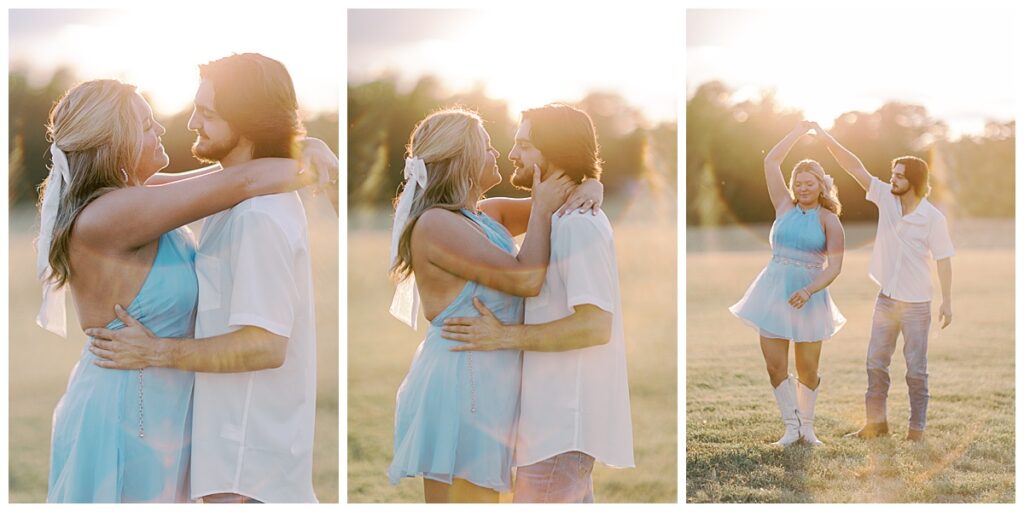
Shooting wide open allows the light to stretch and soften around the subject. You get a buttery falloff in the background, and if you position carefully, you can catch the flare without losing facial detail.
I underexpose slightly when needed. I shoot for feel, not just histogram. Light is not just something to balance. It is something to shape.
Step Four: Let the Flare Tell the Story
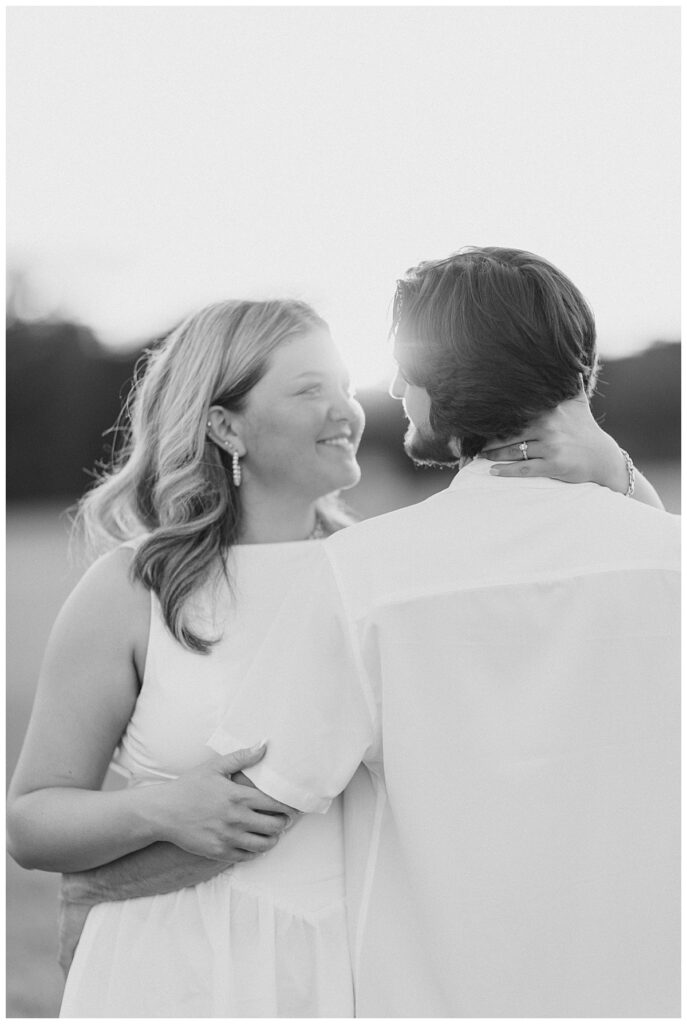
Flare, when used right, becomes a character in the frame.
Sometimes it veils a moment like memory. Sometimes it wraps the edges like a soft burn. But it should never distract. The Morrow Method backlighting technique is about control through intuition. I never add flare in post. It either shows up honestly or it does not.
In Emily and AJ’s White Oak Park session, you can see this principle in practice. The flare circles them gently, without pulling attention away from who they are. That is the point. The light should echo the emotion, not outshine it.
Step Five: Embrace Motion and Imperfection
My favorite images often come mid-movement: a turn, a sway, a whisper between frames. The Morrow Method is not about perfection. It is about atmosphere.
So I let them move. I let the wind in. I let the sun flash, then fade. And I keep shooting. Because often, the most honest frames happen when the subject forgets the camera and remembers the light.
Why Morrow Method Backlighting Works
This is not a trick. It is a practice.
It works because it is rooted in attention, to light, to emotion, to timing. It is not about chasing trends. It is about trusting your eye, refining your patience, and making technical decisions that feel effortless because they are earned.
Backlighting is not easy to master. But once you do, it becomes your most powerful tool for emotion-driven storytelling.
Want to Learn More?
I am building more resources for photographers who want to work with light more intentionally, emotionally, and honestly.
📬 Sign up for future guides and workshops
📸 View Emily and AJ’s White Oak Park Engagement here
🛠️ Gear I use: Canon 5D, 85mm L-series, Lightroom Classic, Reflector (rarely)
This is just the beginning. Let the light bend, and follow it.



+ COMMENTS
add a comment